
Texas’ Legislative Interim Charges, and the Governors executive agenda are aligned reflecting a cross-cutting policy driven direction that will risk another generation of Latinos families to cheap labor and powerless.View Fact Sheet
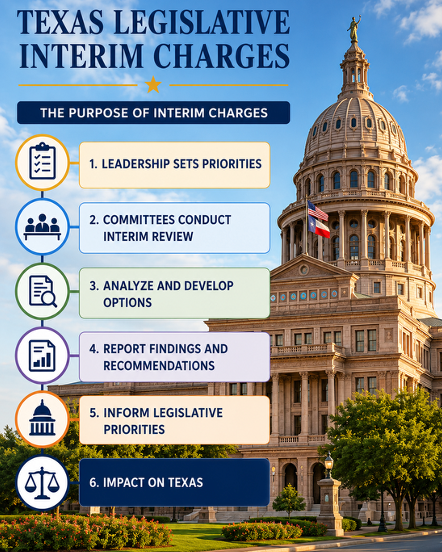
Texas’ Legislative Interim Charges, and the Governors executive agenda are aligned reflecting a cross-cutting policy driven direction that will risk another generation of Latinos families to cheap labor and powerless.View Fact Sheet

Despite the growth of Latino political participation and demographic influence, civil-rights based advocacy is critical to change current political and policy power, and ‘break’ the generational social and economic disparities that persist.

The Mexican American Studies (MAS) Teachers’ Academy at UT San Antonio invites MAS and language arts educators to this year’s virtual training from June 17 to June 21st, from 9 a.m. to 1 p.m. Join MAS and co-sponsors at the Teachers’ Academy where ethnic studies training leads to student educational achievement, exploration of the Mexican American experience, their contributions, and their place in history- making.
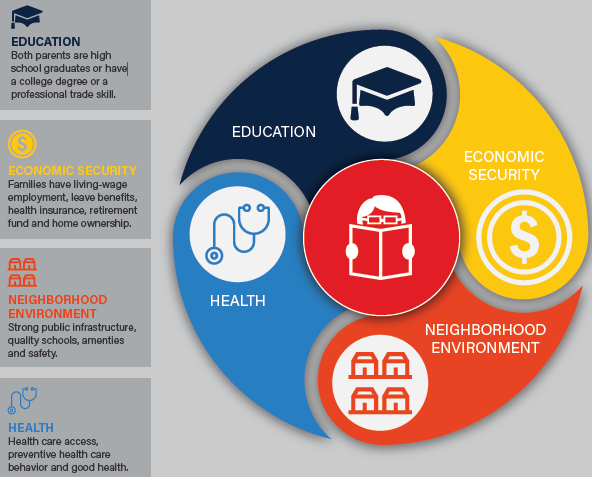
Latinos must remove the current Texas political power structure for most Latino families to realize social, cultural, and economic prosperity. Texas’ poor performance in national ranking among ten major human capital investment areas has a significant effect on marginalizing, politically and socio-economically, generations of Latinos. Unless the underlying political beliefs that enable inequitable policymaking and policies are changed, Latino improvements will be inadequately slow.
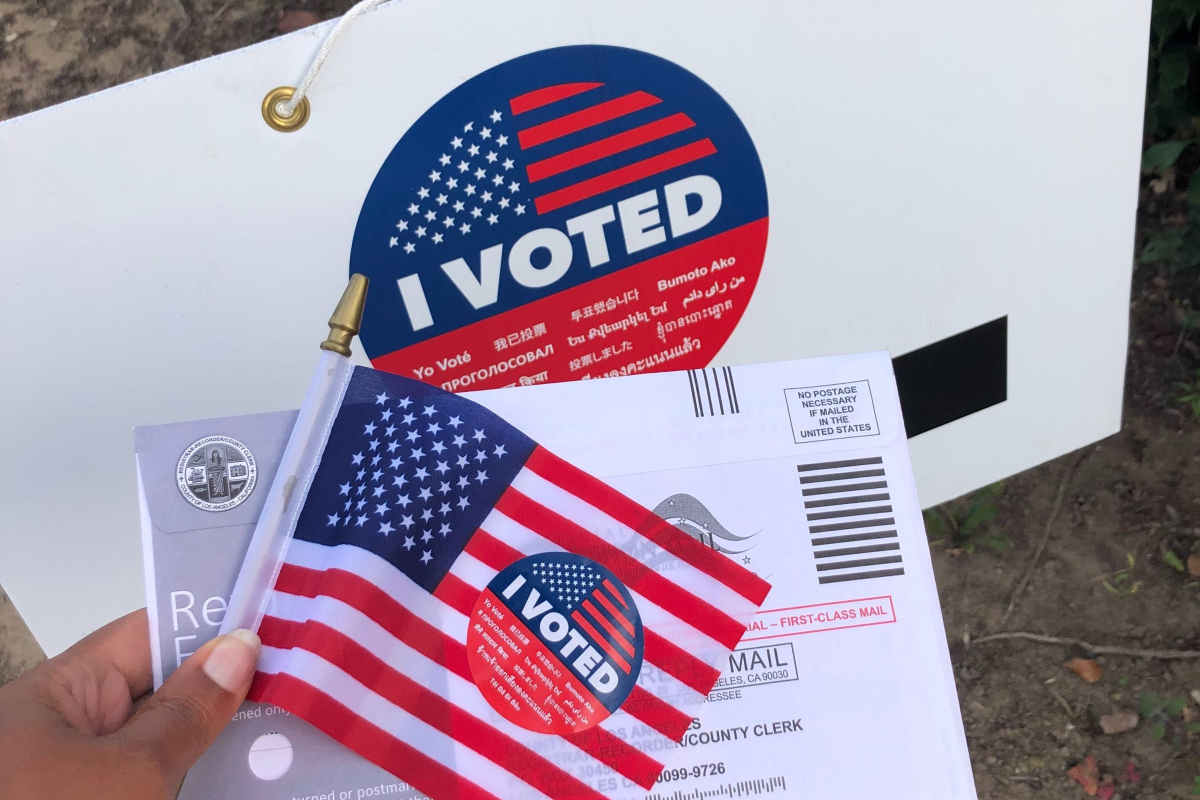
The 2018 midterm election sounded creaking noises in Texas suggesting that the long- anticipated demographic wave would turn the state blue. It did not happen in 2018, but surely 2020 would be the year. To add to the intrigue, Latinos accounted for three of every five new Texans eligible to vote and grassroot organizations were making great headway in registering Latino voters.

View presentation from Dick Lavine on the Texas Tax System: Why We Need to Change.