
Texas’ Legislative Interim Charges, and the Governors executive agenda are aligned reflecting a cross-cutting policy driven direction that will risk another generation of Latinos families to cheap labor and powerless.View Fact Sheet
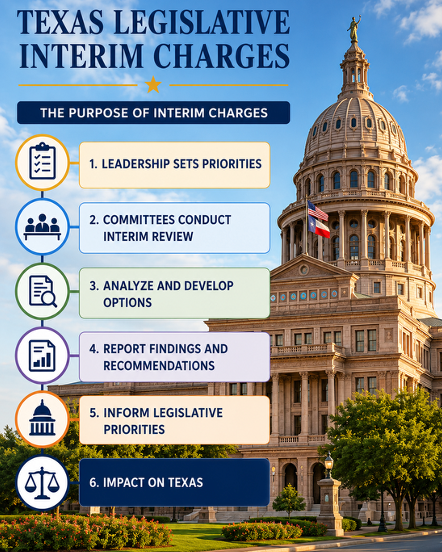
Texas’ Legislative Interim Charges, and the Governors executive agenda are aligned reflecting a cross-cutting policy driven direction that will risk another generation of Latinos families to cheap labor and powerless.View Fact Sheet

Despite the growth of Latino political participation and demographic influence, civil-rights based advocacy is critical to change current political and policy power, and ‘break’ the generational social and economic disparities that persist.

All immigrants, regardless of citizenship status should have access to healthcare; its cost-effective, improves health, and a bonus for a stronger workforce and the economy.
View Fact Sheet

The Rio Grande Valley experiences disproportionately high rates of food insecurity which harms health and economic mobility. It reflects deeper structural inequities.
View Fact Sheet

The State Board of Education (SBOE) is undertaking a sweeping overhaul of social studies Texas Essential Knowledge and Skills (TEKS) for all grades K–12. What will be the costs from the proposed changes? Latinos and allies rightly identify the cost as barriers to academic success and future adult opportunities – resulting from reductions in historical integrity and inclusivity (their contributions), and overall education quality.
The Texas Education Agency (TEA) which claims no additional financial costs to the state, does not account for the full cascade of downstream implementation costs. Millions of unfunded education costs that will affect school districts, teacher preparation and historic sites and cultural institutions.
View Analysis Brief
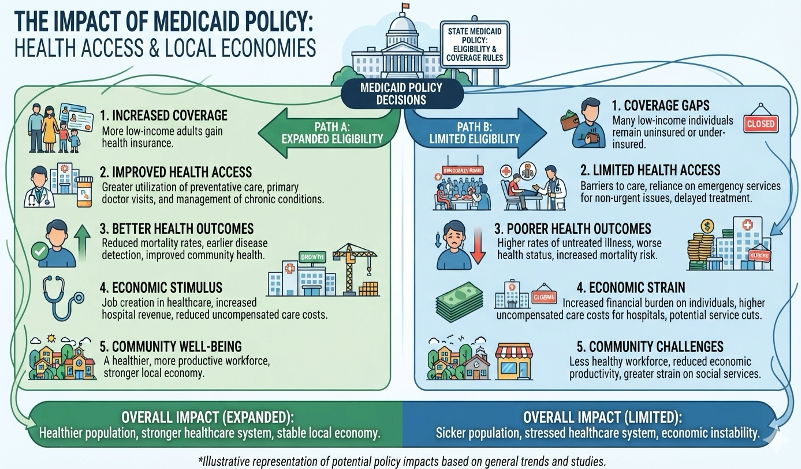
Access to affordable, high-quality health care is not only essential for maintaining good health—it is also a fundamental driver of financial security and economic mobility. Health insurance provides access to preventive care, help avoid costly medical debt, reduce lost wages from illness, improve educational and workforce participation, and long-term earning potential.
Brief 2 of the Latino Impact Report Series examined 28 Medicaid related bills using LTPC’s Human Capital Investment/Bienestar (HCI/B) framework that evaluates Access, Quality, Equity, and Sustainability. The analysis finds modest targeted investments in selected areas of Medicaid policy and programs; however, they focus on incremental system improvements rather than reforms and expansion to address health disparities and inequities.
View Analysis Brief

Enacted legislation provided modest system stabilization and targeted program improvements but failed to deliver structural Basic Allotment/Foundation School Program reforms necessary to close persistent equity gaps affecting Latino students. At the same time, bills with the strongest potential to strengthen Latino human capital and long-term economic mobility did not advance, representing a significant missed opportunity for Texas’ future workforce.

Maternal health problems and risks disproportionately impact Latinas, particularly in rural underserved areas. By Claudia Azua, LTPC Fellow Texas LULAC, State Director for Women.

Equity-based policies that target non-medical drivers of health (NDOH) can address structural barriers to poor health. By Sabrina E. Cuauro, LTPC Fellow.
The Texas 89th Legislative Session: Latino Impact Report Series, produced by the Latino Texas Policy Center (LTPC), evaluates legislation through a Human Capital Investment/Bienestar (HCI/B) framework – assessing whether policies invest in, protect, or undermine the foundational conditions that allow Latino individuals, families, and communities to thrive. It is a unified, equity-centered approach used to evaluate how legislation affects opportunity, mobility, and long-term economic outcomes for Latino communities.